Milk remains a vital pillar of nutrition in India, valued for its rich nutrients and deep cultural significance. As consumer needs evolve, the dairy sector is rapidly shifting toward value-added and innovative milk products.
The Nutritional Importance of Milk
Key Nutritional Strengths
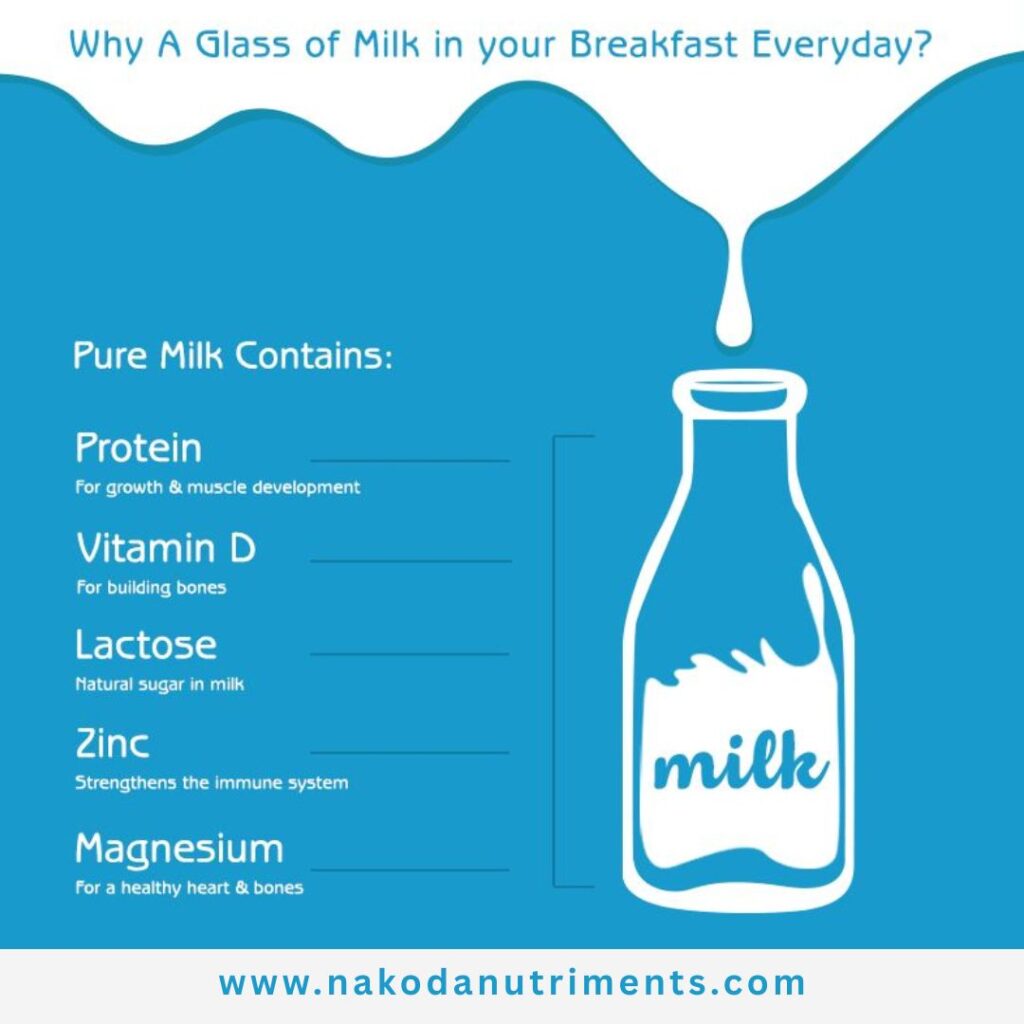
Milk is an excellent source of high-quality protein, which supports muscle development and tissue repair. The presence of calcium and phosphorus makes it vital for bone strength and dental health—especially important for children, adolescents, and the elderly.
It also provides:
- Vitamin B12 and riboflavin for energy metabolism
- Vitamin D (in fortified milk) for better calcium absorption
- Potassium for heart and blood pressure support
- Healthy milk fats for sustained energy
Health Impact Across Life Stages
Regular milk consumption contributes to:
- Stronger bones and teeth
- Improved immunity
- Healthy growth in children
- Better muscle recovery in adults
- Nutritional support for aging populations
Because of this comprehensive profile, milk continues to be strongly recommended by nutrition professionals worldwide.
Milk Consumption in India: Snapshot
India is the world’s largest milk producer and consumer, with milk remaining a daily essential in both rural and urban homes.
Rising Availability
Per capita milk availability now averages 440–460 g/day, showing steady growth over the past decade.
Rural India
• Dominated by fresh/loose milk
• Reliance on local dairy networks
• Gradual move toward organized supply
Urban India
• Rapid rise in packaged & branded milk
• Growing demand for premium/fortified variants
• Boom in subscription & online delivery
Key Challenges
• Cold-chain gaps
• Seasonal production swings
• Rising feed costs
• High price sensitivity
Milk By-Products & Value Addition
Milk is the foundation of a vast value-added ecosystem.
Traditional Products:
- Curd (dahi)
- Buttermilk (chaas)
- Paneer
- Ghee
- Butter
- Khoya
Modern & Fast-Growing Products:
- Flavored milk
- Probiotic yogurt
- Cheese
- Ice cream
- Whey protein
- Milk powder
- UHT milk & Lactose Free
Insight: Value-added dairy is currently the fastest-growing segment in India.
Generation-Wise Dairy Consumption
- Older Generation (50+): Prefers traditional milk, ghee, and curd; consumption driven by habit and cultural trust.
- Middle Generation (30–50): Focus on branded, standardized milk, paneer, cheese, and probiotic products; driven by family nutrition, convenience, and brand trust.
- Gen Z & Millennials: Demand high-protein milk, Greek yogurt, flavored shakes, lactose-free options, and ready-to-drink dairy; driven by taste, fitness, and convenience.
Takeaway: Future growth will rely more on functional, convenient, and lifestyle-oriented dairy than plain milk alone.
Future Trends & Opportunities
Emerging Products: Immunity-boosting milk, high-protein beverages, probiotic and fortified milk, A2 and lactose-free variants, ready-to-drink dairy.
Technology & Processing: Automation, smart cold-chain, ESL and membrane filtration, sustainable packaging, digital procurement.
Premium & Convenience: Single-serve curd cups, RTD lassi, on-the-go protein shakes, organic/farm-to-home milk, specialty regional products.
B2B Opportunities: Bakery ingredients, whey nutrition solutions, ice cream stabilizers, advanced starter cultures.
Strategic Outlook: Growth will be driven by value-added, functional, and premium dairy. Companies investing in technology, supply chains, and differentiated products will lead.
Conclusion: Milk remains essential, but the future lies in innovation, convenience, and value-added dairy products.