



The Complete Guide to India’s Dairy Industry (2026): History, Milk Production, Consumption, Market Growth & Future Trends
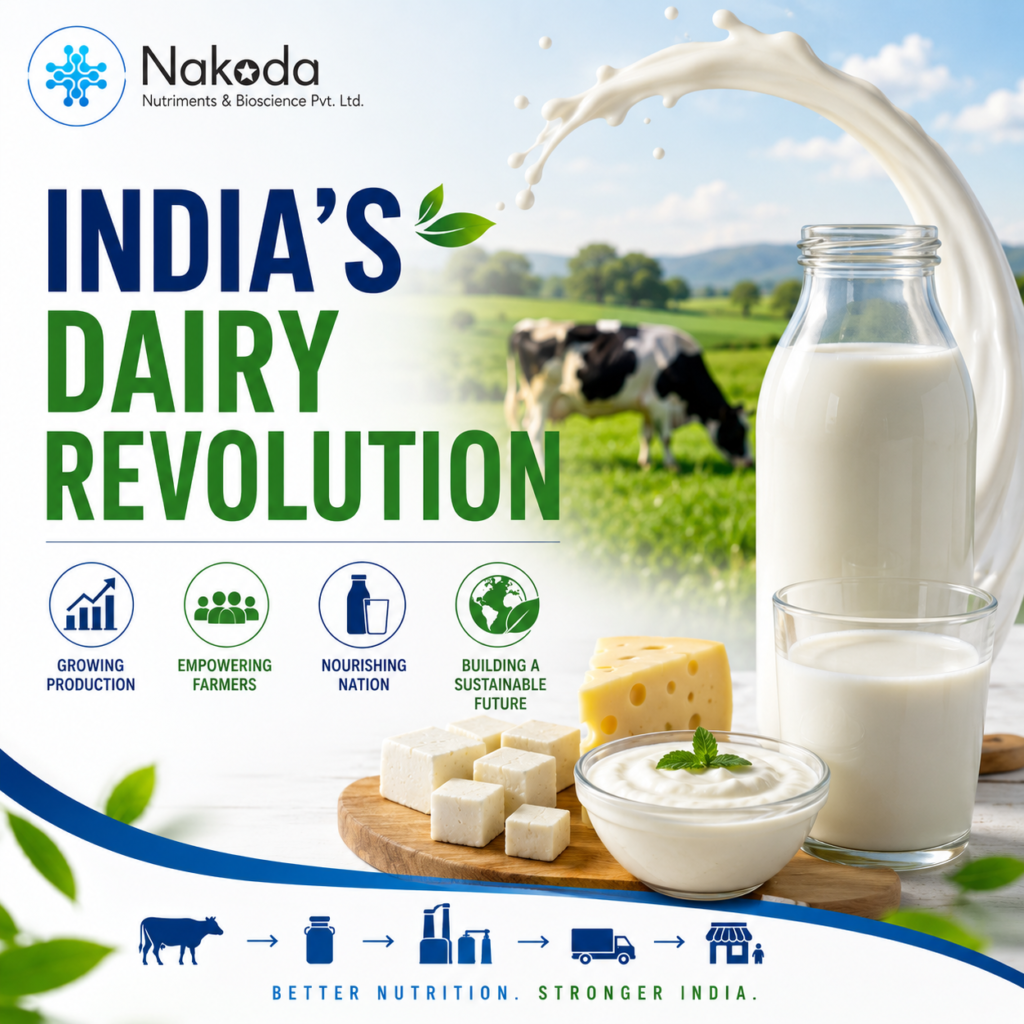
India’s dairy industry is one of the greatest success stories in global agriculture. From being a milk-deficient nation a few decades ago, India has transformed into the world’s largest milk producer, supplying nearly 25% of the world’s milk. This remarkable achievement is the result of continuous efforts by millions of dairy farmers, cooperative societies, government initiatives, technological advancements, and innovations in dairy processing.
Today, milk is not only an essential part of Indian nutrition but also a major contributor to the country’s economy, supporting more than 80 million rural households and creating employment across the dairy value chain.
A Brief History of Milk
The story of milk began around 8000–7000 BCE, when humans domesticated cattle, goats, and sheep in the Fertile Crescent. Early communities discovered that milk could be preserved by converting it into butter, cheese, and fermented products.
Dairy Timeline
- 8000 BCE: Domestication of dairy animals.
- 5000 BCE: Cheese and butter production began.
- 3000 BCE: Dairy farming spread across Europe and Asia.
- 1500 BCE: Milk became an important part of Indian agriculture and Ayurveda.
- 1864: Louis Pasteur developed pasteurization, greatly improving milk safety.
- 1970: India launched Operation Flood (White Revolution).
- 2026: India continues as the world’s largest milk producer
The White Revolution: A Turning Point
The modern dairy industry in India began with the launch of Operation Flood in 1970, popularly known as the White Revolution. Led by Dr. Verghese Kurien, this ambitious program transformed India’s dairy sector through cooperative farming, improved milk collection systems, veterinary services, and processing infrastructure. Before Operation Flood, India struggled to meet domestic milk demand. Today, it has become the world’s leading milk producer and continues to set new production records every year
India’s Milk Production: Remarkable Growth
India’s milk production has witnessed extraordinary growth over the past three decades.
| Year | Milk Production (Million Tonnes) |
|---|---|
| 1991–92 | 55.6 |
| 2000–01 | 80.6 |
| 2010–11 | 121.8 |
| 2020–21 | 210.0 |
| 2021–22 | 221.1 |
| 2022–23 | 230.6 |
| 2023–24 | 239.3 |
| 2024–25 | 247.9 |
Key Highlights
India contributes approximately one-quarter of the world’s total milk production
Production has increased by more than 4.4 times since 1991–92.
Milk production grew by 69.4% between 2014–15 and 2024–25.
India’s dairy sector has been growing at an average annual rate of about 6.3%, much faster than the global average of around 2%.
India’s Milk Production Growth
India’s dairy industry has experienced extraordinary growth over the past three decades.
| Year | Milk Production (Million Tonnes) |
|---|---|
| 1991–92 | 55.6 |
| 2000–01 | 80.6 |
| 2010–11 | 121.8 |
| 2014–15 | 146.3 |
| 2020–21 | 210.0 |
| 2021–22 | 221.1 |
| 2022–23 | 230.6 |
| 2023–24 | 239.3 |
| 2024–25 | 247.9 |
Key Highlights
- Production has increased by more than 4.4 times since 1991–92.
- Milk production grew by 69.4% between 2014–15 and 2024–25.
- India’s dairy sector has been growing at an average annual rate of about 6.3%, much faster than the global average of around 2%.
- India contributes approximately one-quarter of the world’s total milk production.
Per Capita Milk Availability in India
Growing milk production has significantly improved the availability of milk for Indian consumers.
| Year | Milk Availability (g/person/day) |
| 1991–92 | 178 |
| 2000–01 | 217 |
| 2010–11 | 281 |
| 2014–15 | 319 |
| 2020–21 | 427 |
| 2021–22 | 446 |
| 2022–23 | 459 |
| 2023–24 | 471 |
| 2024–25 | 485 |
India’s per capita milk availability now exceeds the reported global average, reflecting strong domestic production and improving nutrition.
Top Milk-Producing States in India (2024–25)
| Rank | State | Share of National Production |
| 1 | Uttar Pradesh | 15.66% |
| 2 | Rajasthan | 14.82% |
| 3 | Madhya Pradesh | 9.12% |
| 4 | Gujarat | 7.78% |
| 5 | Maharashtra | 6.71% |
Together, these five states contribute more than 54% of India’s total milk production.
Global Milk Production
Global milk production is estimated at around 970 million tonnes annually. Milk is produced in more than 150 countries and includes cow, buffalo, goat, sheep, and camel milk.
Largest Milk Producers
- India
- European Union
- United States
- Pakistan
- China
- Brazil
- Russia
- New Zealand
Milk Consumption in India
India consumes most of the milk it produces. Milk is an essential part of daily diets and is widely used in households, restaurants, and the food processing industry.
Major consumption categories include:
- Liquid milk
- Curd (Dahi)
- Yogurt
- Paneer
- Cheese
- Butter
- Ghee
- Lassi
- Buttermilk
- Ice Cream
- Flavoured Milk
- Milk Powder
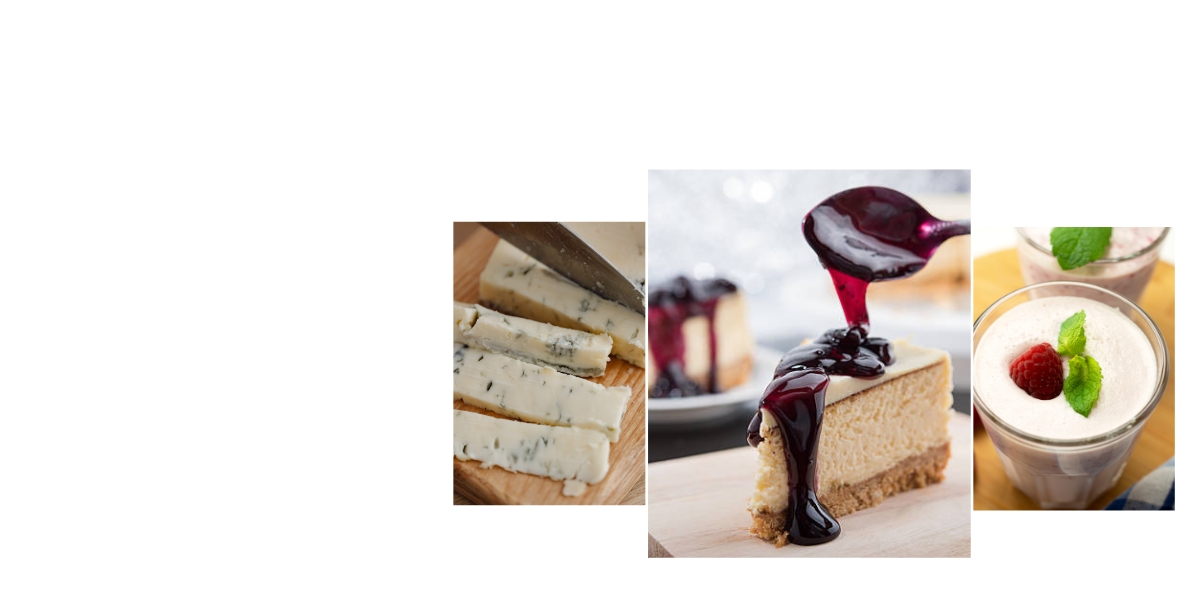
- Dairy Desserts
- Whey Protein
- High-Protein Dairy Beverages
Value-Added Dairy Products
The dairy market is rapidly shifting from commodity milk to premium products with higher nutritional value and profitability.
Fast-growing segments include:
- Greek Yogurt
- Probiotic Dairy
- High-Protein Milk
- Lactose-Free Milk
- A2 Milk
- Protein Shakes
- RTD Protein Beverages
- Specialty Cheese
- Dairy Desserts
- Sports Nutrition
Dairy Ingredients That Drive Innovation
Modern dairy manufacturers rely on specialized ingredients to improve product quality, yield, texture, taste, and shelf life.
These include:
- Starter Cultures
- Cheese Cultures
- Probiotic Cultures
- Enzymes
- Lactase
- Coagulants
- Stabilizers
- Emulsifiers
- Hydrocolloids
- Natural Flavours
- Food Colours
- Preservatives
- Functional Proteins
These ingredients enable manufacturers to produce consistent, safe, and innovative dairy products that meet evolving consumer expectations.
Future of India’s Dairy Industry
The Indian dairy sector is expected to continue growing due to:
- Population growth
- Rising incomes
- Urbanization
- Higher protein consumption
- Health-conscious consumers
- Premium dairy products
- Functional nutrition
- Automation
- Sustainable processing
- Digital quality monitoring
- Smart dairy factories
- AI-enabled manufacturing
Demand for high-protein, clean-label, and functional dairy products will continue to create opportunities for ingredient suppliers, processors, and technology providers.
Conclusion
India’s dairy industry has undergone a remarkable transformation—from producing 55.6 million tonnes of milk in 1991–92 to 247.9 million tonnes in 2024–25. With rising milk availability, strong domestic consumption, and increasing demand for value-added products, the sector is well positioned for continued growth.
As manufacturers invest in advanced ingredients, food safety, automation, and sustainable production, the future of dairy lies in innovation. Businesses that focus on quality, nutrition, and technology will be best placed to meet the changing needs of consumers and contribute to the next chapter of India’s dairy success story.